


Who holds the power in a trust?
The trustee holds legal title to and control over the trust assets.
However, the trustee must exercise this authority in accordance with the terms of the trust deed. The trustee has a fiduciary responsibility to act in the best interests of the beneficiaries. The BC Trustee Act outlines the strict rules trustees must adhere to within the province.
Written By Tiffany Woodfield, Financial Advisor, TEP®, CRPC®, CIM®

Who controls a trust after death?
Testamentary Trusts
After death in BC, a testamentary trust is controlled by the trustee, who is often the executor.
A testamentary trust, which is created at the time of death, is often used to manage and distribute assets to beneficiaries over time. For example, it’s often used to distribute assets to minors over time. With a testamentary trust, the will names the executor of the estate. The executor will oversee the establishment of the trust according to the will.
If the trustee is unwilling or unable to act and there is no named successor trustee, the court would need to appoint a new trustee to assume the responsibilities.
Living Trusts
With a living trust, after the settlor’s death, the successor trustee assumes management and distributes the assets in accordance with the trust document.
The assets in the trust avoid probate, thereby maintaining privacy and facilitating a smoother transition to the beneficiaries. Before any funds are disbursed, the trustee will be responsible for satisfying all liabilities.
Who legally owns the assets held in a trust?
The trustee holds legal title to the trust assets, meaning they are the legal owner.
However, it doesn’t mean they can do as they please with the assets. The trustee has a fiduciary duty to manage the assets in accordance with the settlors’ wishes as outlined in the trust document. The trustee holds the assets for the beneficiaries’ enjoyment.
Who is the beneficiary of a living trust in Canada?
The beneficiary of a living trust in Canada is anyone the settlor has designated to receive income or capital from the trust.
The beneficiary may be a spouse, friend, child, grandchild, or the settlor. Keep in mind that it’s usually not tax advantageous for the settlor to be the beneficiary.
A beneficiary can also be a charity or another entity.

How does a beneficiary get money from a trust?
A beneficiary receives funds from the trust when the trustee distributes them in accordance with the trust document.
There may be rules or conditions that must be met before funds are disbursed. In Canada, income earned in trusts is taxed at the highest marginal rates; thus, the trustee will often seek to distribute income to beneficiaries so they can pay taxes at their own marginal rates, which may be lower.
When should you avoid setting up a trust?
You may want to avoid setting up a trust in these cases:
- You have a simple estate and don’t need to add complexity. For example, if you are leaving the assets to one person, or if you have a lot of registered assets that will bypass probate.
- You aren’t comfortable losing control. A trust may not be the best option because when you set up a living trust, you are transferring ownership to the trustee. The trustee must act for all beneficiaries.
- You don’t have a clear goal for establishing a trust. To benefit from a trust, you must be clear on your terms and have it properly managed to avoid conflicts.
- If you don’t need the added protection and privacy of a trust.
What Matters Most When Making Estate Planning Decisions?
Estate planning tools are powerful, but the right approach depends on what you are trying to achieve.
There is no single strategy that works for everyone.
Many people delay estate planning out of fear, while others over-engineer plans in an attempt to control every outcome. In both cases, decisions are often made without first clarifying what truly matters most.
Ask yourself, “What matters most to me?”
Get clear on what matters most so you can be sure that you’re making the decisions based on your values, goals, and the legacy you wish to leave.
Estate planning decisions are not purely technical.
Emotions and family dynamics all play a role.
But when clarity comes first, legal and tax strategies can be evaluated more effectively and aligned with your goals and desires. Approach your estate planning as an opportunity to connect with what matters most to you so that you can leave a legacy that truly reflects your values.
Resources: BC Trustee Act

Get the Free Guide and Audio Meditation for Manifesting Your Dreams
Pop your email address in the form below to get my easy checklist and guide to manifesting and the guided audio meditation to help you get started.
You’ll also get one or two emails per month with the latest blog posts about abundance, wealth-building, manifesting, and creating a fulfilling life.
Read More:
💎 What Is a Living Trust in BC?
💎 Who Needs to Do Estate Planning in Canada?
💎 What Is Estate Planning in Canada?
About the Author
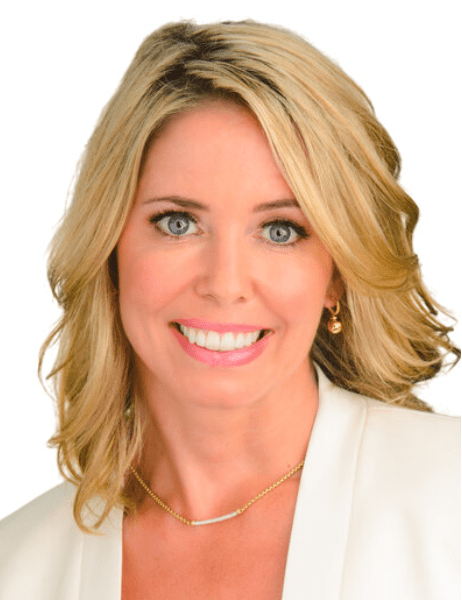
TIFFANY WOODFIELD is a senior financial advisor, estate-planning expert, and dual-licensed portfolio manager based in Kelowna, British Columbia. She is the co-founder of SWAN Wealth Management, where she helps Canadian and cross-border families build lasting wealth, reduce tax risk, and create meaningful legacies.
As a TEP (Trust and Estate Practitioner) and associate portfolio manager, Tiffany works closely with successful professionals, business owners, and internationally mobile families who want to enjoy a more flexible, work-optional lifestyle. She combines deep technical expertise in wealth management with a strong focus on mindset, personal development, and purposeful decision-making.
Tiffany has been a contributor to Bloomberg TV and has been featured in major national and international publications, including The Globe and Mail and Barron’s, for her insights on retirement planning, cross-border wealth issues, and estate planning.
Professional designations:
- TEP® – Trust and Estate Practitioner
- CRPC® – Chartered Retirement Planning Counselor
- CIM® – Chartered Investment Manager