


What Is a Family Trust in British Columbia?
A family trust in British Columbia is a legal arrangement where the settlor puts money or property into a trust and appoints others (trustees) to manage it for the benefit of family members (beneficiaries).
The trust is managed by a trust deed, which explains who does what and how the assets are managed and distributed. The key difference between a trust and personal or corporate ownership is that the assets in a trust aren’t owned directly by a person or by a company.
The trustees hold legal title to the assets, but they must manage them for the benefit of the beneficiaries according to the rules of the trust.
Using a trust can help families manage their intergenerational wealth, plan for the future, reduce probate fees, and create tax planning opportunities.
Written By Tiffany Woodfield, Financial Advisor, TEP®, CRPC®, CIM®
What Are the Costs of a Family Trust?
The general setup costs about $2,000-$5,000, but fees will increase if you have multiple beneficiaries and detailed distribution rules.
Also, when you have a family business in the trust, your costs can be higher as it is more work to set up. In addition to the initial legal fees, there are ongoing costs to maintain a family trust, including annual tax filings, accounting fees, and trustee administration.
Because every family’s situation is different, it is important to speak with an estate planning lawyer to understand the cost of setting up and maintaining a trust in your specific situation.
Who Is Involved in a Family Trust?
A family trust has three main groups: the settlor, the trustees, and the beneficiaries.
- The settlor is the person who creates the trust and puts assets into it
- The trustees are the people or a company chosen to manage the trust
- The beneficiaries are the family members who can benefit from the assets in the trust.
The trustees have both the control and decision-making power. They manage the assets, invest, and decide when and how to give money or property to the beneficiaries. They have a legal obligation to follow the rules written in the trust deed.
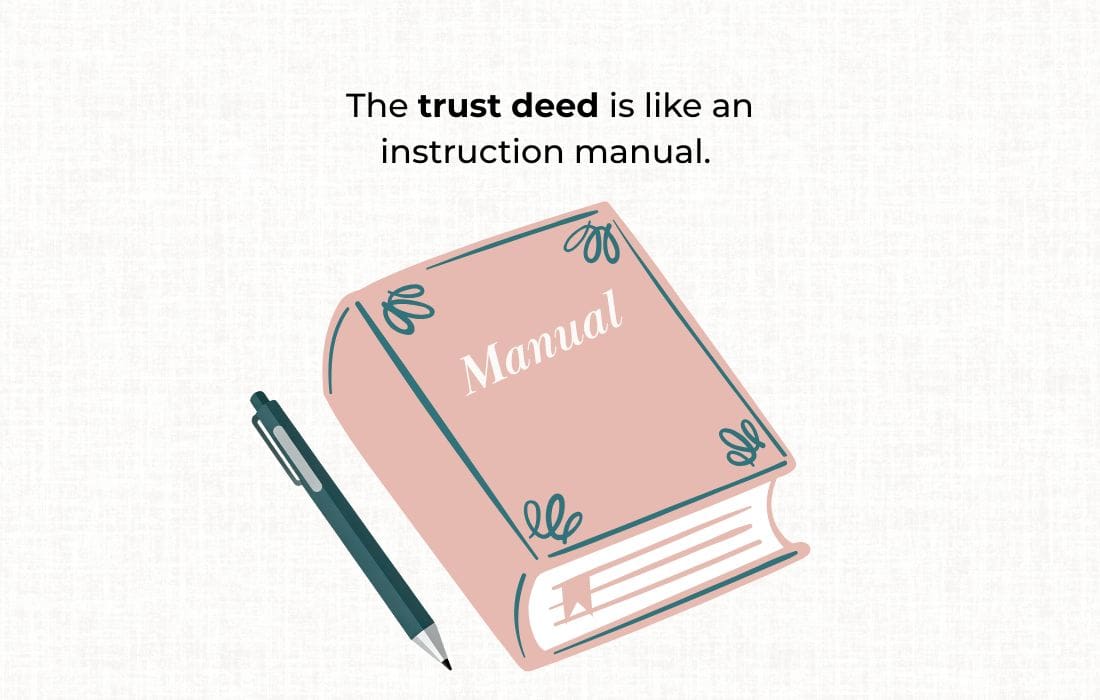
The trust deed is like an instruction manual. It sets out how the trust must be managed, what the trustees are allowed to do, and how and when beneficiaries can receive assets.
How Does a Family Trust Work in Practice in BC?
In British Columbia, a family trust starts when a settlor creates a trust deed and transfers assets (like money or property) into the trust, which is then managed by trustees.
The trustees are individuals or a company who are chosen to run the trust according to the deed and for the benefit of the beneficiaries, who are usually family members.
Any income the trust earns is taxed either to the trust or to the beneficiaries when it is distributed. Distributions flow to beneficiaries’ personal tax returns and are taxed as personal income.
Capital gains realized by the trust are also taxed either at the trust level or when the gains are distributed to beneficiaries.
The trust uses a distribution policy in the deed to decide who gets money or property, when, and how often, which can be regular or occasional.
Why Do Higher Net Worth Canadians Use Family Trusts?
In Canada, a trust isn’t always your best planning option as it can introduce unnecessary complexity.
However, I’m going to cover five times that trusts may be helpful when doing your estate and tax planning.
Tax Planning
A family trust can help move income to family members who are in a lower tax bracket.
Moving income in this way can result in a lower overall tax burden. However, there are many pitfalls and rules that need to be followed for this to function. The trust needs to be set up and managed properly if you wish to use it for tax planning.
Estate Planning
A trust can help families transfer assets to the next generation without having to go through probate.
This can make things faster after someone passes away. In addition, because a trust doesn’t go through the will and the public probate process, the assets and wishes detailed in a trust are kept private.
Asset Protection
When you transfer assets to a trust, these assets are no longer in your own name.
They are in the trust’s name. This transfer can provide additional protection from creditors. It also separates personal assets from business risks, which may provide comfort if you’re a business owner.
Business Succession
A trust creates greater flexibility when doing succession planning for a family business.
You have more options and strategies that you can use regarding who will take over the management and ownership of the business.
Long-term Family Wealth Planning
A trust provides a structure where families can set goals for future generations, such as holding family property or philanthropy.
However, be aware that in Canada, we have the 21-year rule. Every 21 years, there is a deemed disposition, where it is as though all the assets in the trust were sold. This results in a tax hit.
There are different types of trusts and exemptions, so be sure to speak to a tax lawyer and always ask about the 21-year rule and how it may affect your family’s wealth if it’s in a trust.

What Are the Pros and Cons of Using a Family Trust in BC?
Some Canadians wonder at what net worth they should set up a trust, but there isn’t a one-size-fits-all approach.
Instead, you need to weigh the pros and cons of having a trust versus just having a will. Your goals and specific family situation will often determine if having a trust is the right thing to do not your net worth.
Pros
- You have greater control over who and when beneficiaries get your assets, even after you are gone.
- A family trust protects assets from problems such as a breakup, court claims against family members, and debts.
- A trust can help manage taxes and provide income for future generations if set up properly.
Cons
- Setting up a trust can be expensive and adds complexity to estate planning.
- There are ongoing rules and management of the trust. There isn’t just a one-time setup fee. There is ongoing maintenance and reporting of income and distributions, which will all incur a cost.
- When you transfer assets to a trust, you lose direct control over the assets because you no longer own them personally. It is the trustee who will manage the assets according to the trust document.
What Are the Risks of Using a Family Trust in BC?
The risks of setting up a family trust in BC are as follows:
- You cannot easily change your mind because the trust now owns the assets, not you personally.
- If you don’t set up a trust properly, you can fall into costly traps, and it won’t work as intended.
- A trust is an excellent tool, but you need to be prepared for the complexity and to keep the trust up to date.
- There is effort involved in making sure the rules are followed and being aware of any tax legislation changes.

Case Study: When a Family Trust Becomes Cross-Border
John created a family trust in Canada as part of his estate plan, naming his three children as beneficiaries.
At the time, all three children lived in Canada, and the trust structure worked well. It was aligned with his goals. The plan was straightforward: preserve wealth and divide it equally among his children.
Several years later, one of his sons, Bobby, moved to the United States for university. He eventually married, started a family, and decided to remain in the US permanently.
Unfortunately, the trust was not reviewed after Bobby became a US resident.
When income was distributed to Bobby, Canadian withholding tax applied because he was a non-resident. At the same time, he was required to report that income on his US tax return. This created additional reporting obligations and potential double taxation issues.
No changes were made to address the cross-border implications of the trust.
When John passed away, the trust distributed capital equally to all three children. What seemed simple on paper became complicated in practice. Two children were Canadian residents. One was a U.S. resident.
The family struggled with difficult questions:
- Should the estate be divided equally before tax or after tax?
- How should currency differences and tax burdens be handled?
- Was Bobby effectively receiving less because of cross-border tax costs?
The children wanted to honour their father’s wish for fairness. But without prior planning, the financial and tax complexity created tension during an already emotional time.
In this case, it would have been helpful if John had received advice from a tax professional who understood cross-border trusts. It’s truly unfortunate when adult kids have to deal with the grief of losing a parent while also trying to sort out cross-border trust complexities.
This story illustrates how important every aspect of planning is when creating a trust.
Whether or not you have beneficiaries in the US, you should look at every aspect of the trust and its tax implications. You should also review your estate planning each year so that everything stays up to date.
Summary of Key Points
- A family trust transfers assets to trustees who manage them for beneficiaries according to legally binding written instructions.
- Trustees control the assets, but must follow the trust deed and act in the beneficiaries’ best interests.
- Trusts can reduce probate fees, support tax planning, protect assets, and assist with business succession planning.
- Trusts involve setup costs, ongoing tax filings, administration work, and complex rules, including Canada’s 21-year deemed disposition.
- Cross-border beneficiaries create tax complications, so trusts should be reviewed regularly and planned with experienced professionals.
Start with a Clear Purpose
Thinking about a trust can feel overwhelming, and it’s easy to put the idea aside.
Start with a clear purpose: why do you want a trust, and what matters most to you? Next, list the pros and cons of using a trust.
While a trust can be expensive, it can be worthwhile if it fits your situation. For example, you may wish to protect a family business, manage a mixed-marriage arrangement, or keep wealth private for future generations.
After identifying your purpose and weighing the pros and cons, consult a professional. They can help you turn your wishes into a lasting legacy.
Get the Money Secrets Letter
Pop your email address in the form below to get my easy checklist and guide to manifesting and the guided audio meditation to help you get started.
You’ll also get one or two emails per month with the latest blog posts about abundance, wealth-building, manifesting, estate and legacy planning, generational wealth, and creating a fulfilling life.
Read More:
💎 How Much Does It Cost to Set Up a Trust in BC?
💎 At What Net Worth Do I Need a Trust in Canada?
About the Author

TIFFANY WOODFIELD is a senior financial advisor, estate-planning expert, and dual-licensed portfolio manager based in Kelowna, British Columbia. She is the co-founder of SWAN Wealth Management, where she helps Canadian and cross-border families build lasting wealth, reduce tax risk, and create meaningful legacies.
As a TEP (Trust and Estate Practitioner) and portfolio manager, Tiffany works closely with successful professionals, business owners, and internationally mobile families who want to enjoy a more flexible, work-optional lifestyle. She combines deep technical expertise in wealth management with a strong focus on mindset, personal development, and purposeful decision-making.
Tiffany has been a contributor to Bloomberg TV and has been featured in major national and international publications, including The Globe and Mail and Barron’s, for her insights on retirement planning, cross-border wealth issues, and estate planning.
Professional designations:
- TEP® – Trust and Estate Practitioner
- CRPC® – Chartered Retirement Planning Counselor
- CIM® – Chartered Investment Manager