


What Is the Most Common Trust Fund Mistake Parents Make?
The biggest mistakes parents make when setting up a trust fund are not getting proper advice before setting up the trust and choosing the wrong trustee.
Failing to fund the trust properly, having poorly drafted trust deeds, not giving the trustee proper authority, and not understanding the tax rules around a trust are also major mistakes.
However, failing to get the right advice is the starting point for many poor decisions about the trust fund.
Written By Tiffany Woodfield, Financial Advisor, TEP®, CRPC®, CIM®

Why Can This Mistake Undermine the Entire Trust?
When you don’t get proper advice before setting up a trust, you can end up dealing with a cascade of other issues.
The trust can create financial, emotional, or practical problems for beneficiaries. If you don’t seek the right guidance and set up your trust properly, it may not actually achieve its intended purpose.
For example, if you didn’t fund the trust properly, the assets aren’t there to divide or serve your purpose. Your beneficiaries may end up in lengthy legal battles.
Also, without a proper trust deed and supporting documentation, a trust fails. The assets can be mismanaged, the beneficiaries can receive money too soon or too late, and, as the settlor, you may have the income taxed back to you.
Who Is Most at Risk of Making Trust Fund Mistakes?
Parents Setting Up Trusts Without Guidance
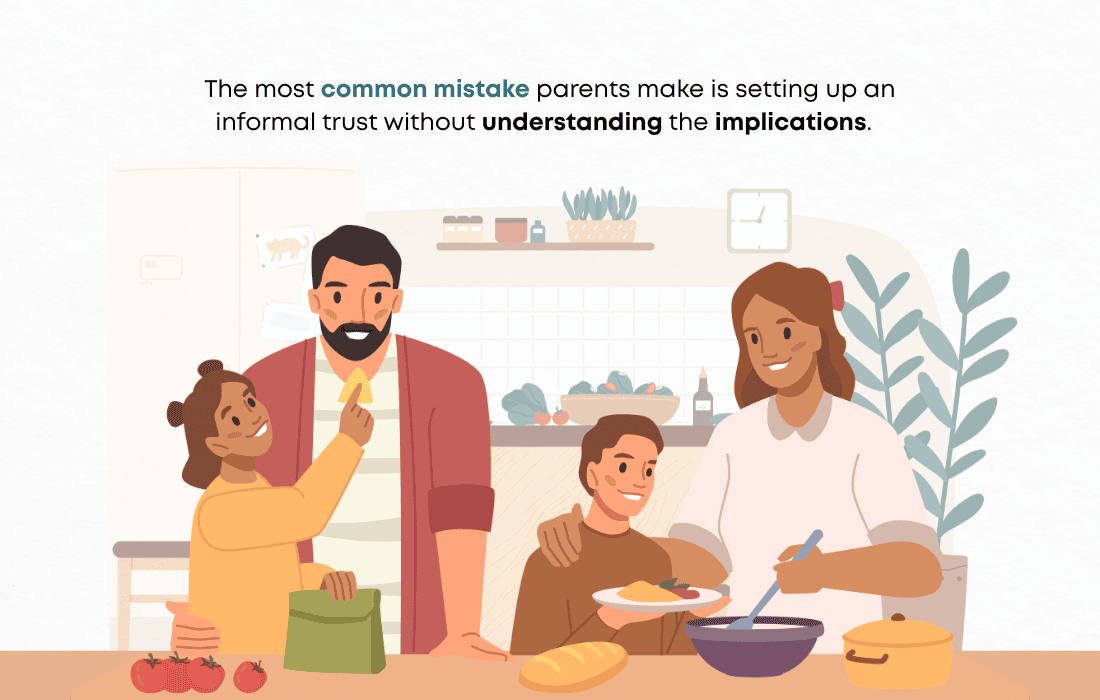
The most common mistake I see is parents setting up an informal trust without understanding the implications.
In Canada, the CRA has rules to ensure a higher-income person, i.e., a parent, cannot shift income to a lower-income family member. If this happens, the income can be “attributed” back to the parent.
In addition, if a parent sets up an in-trust account at the bank without legal advice, they are often surprised when the child reaches the age of majority and can use the funds as they please.
With a formal trust, you have rules outlined in the trust deed, so your wishes are followed. A lawyer can also advise how to avoid having the tax attributed back to you.
Parents of Young Children
Parents of young children don’t really think anything will happen to them because, well, “they’re young.”
So they choose a trustee based on emotion rather than logic, which can be devastating if something happens to both of them. The wrong trustee can present major problems down the line.
Families with Complex Dynamics
When you already have complex family dynamics, you need to be objective and consider hiring an impartial corporate trustee.
You need to anticipate the potential conflict and have an independent person who can remain neutral and protect your intentions. Imagine three kids who never got along, and now one of them gets to choose how much the other one will receive. This is a recipe for disaster, especially since they no longer need to “get along” to make you happy.
Avoid this by choosing an appropriate and impartial trustee.
How to Avoid Trust Fund Mistakes From the Start
If you’re going to set up a trust fund, you need to avoid mistakes so that all the time, money, and effort you put into creating this trust does what you want it to do.
Here’s how to avoid making big mistakes:
- Have clear goals in mind for why you want to create the trust.
- Use a professional to create a legal trust deed.
- Fund the trust properly. (Fund refers to putting the assets into the trust.)
- Choose a trustee carefully, considering not only someone who understands your wishes but also someone who is responsible, impartial, and willing to take on the role. I would recommend considering a corporate trustee.
- Clearly outline distribution rules, such as at certain age milestones or if money is used for a particular purpose.
- Understand the tax implications of setting up a trust and its annual compliance requirements.
- Be wary if considering an informal trust because your child can have access to the funds when they reach the age of majority.
- Consider your family’s dynamics and plan ahead to avoid conflicts.
📖 Related Post: What Is the Best Kind of Trust in Canada?
Summary of Key Points
- Getting proper advice is the most important first step. Without it, even a well-intentioned trust can fail to do what you set out to do.
- A formal trust gives you control that an informal one does not. Without a legal trust deed, your wishes may not be followed, and your child could access the funds the moment they turn 18.
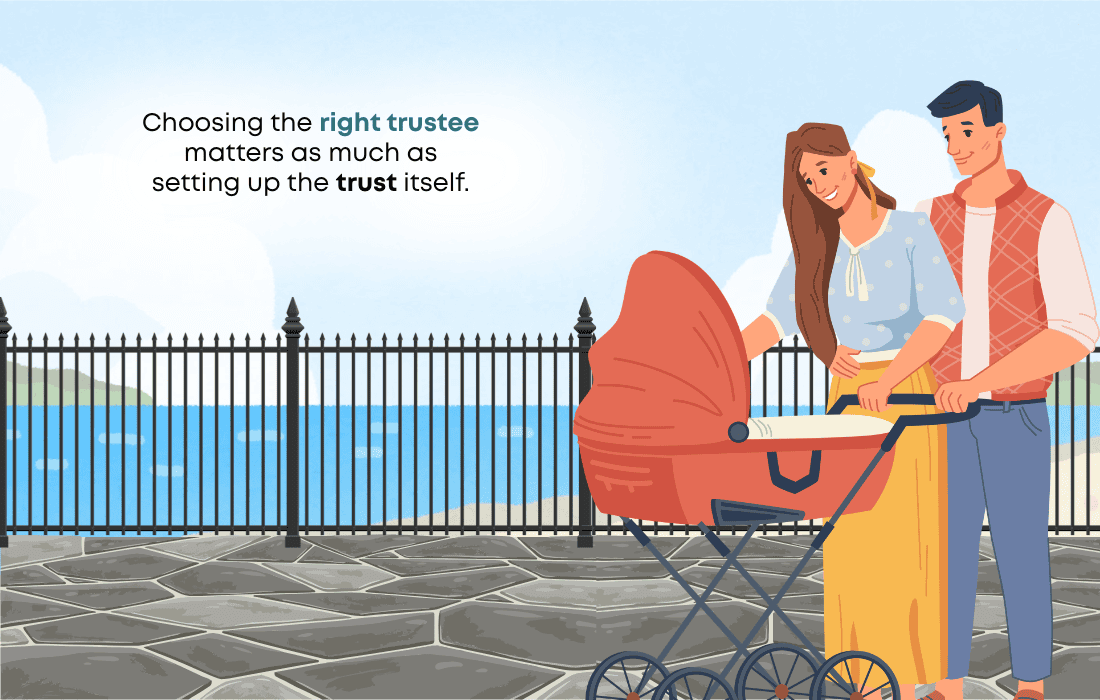
- Choosing the right trustee matters as much as setting up the trust itself. Pick someone impartial, responsible, and willing to take on the role.
- If the assets aren’t properly transferred into the trust, or the paperwork is unclear, the whole structure can unravel.
- A trust is not a set-it-and-forget-it tool. There are tax rules, annual compliance requirements, and distribution strategies to understand.
For the “Magic Key” to Be Magic, You Need to Take the Right Steps
When a trust works well, it works really well.
It is like a magic key that travels from this lifetime into the future, unlocking the legacy that you wished to leave. It ensures that your vision continues when you’re no longer here.
A will doesn’t create this flexibility or offer the same opportunities to protect and plan for your wealth when you are no longer around. But remember, for the magic key to be “magic,” you need to take the right steps when creating your trust.
Speak to a professional and get guidance right away. They can help you outline your goals and distribution strategies. They can also offer suggestions on how to decide on a trustee. They will be able to help you strategize around the best-case and worst-case scenarios.
Keep in mind the number one rule of trusts is to get proper advice; otherwise, you’re wasting your time and money because there is a very high chance things won’t go as you intended.
I have a friend whose relative started with nothing and built an empire.
Three generations later, when this man is long gone, his name is still brought up. He is still having an impact and helping to shape his great-grandkids’ lives with the decisions he made many years ago. His wealth has allowed others to learn about creating their own legacy and making a contribution.
A trust, done right, doesn’t just protect your wealth. It keeps you present in the lives of people you will never meet.
But that kind of legacy doesn’t happen by accident. It starts with the right plan.
Get the Money Secrets Letter
Pop your email address in the form below to get my easy checklist and guide to manifesting and the guided audio meditation to help you get started.
You’ll also get one or two emails per month with the latest blog posts about abundance, wealth-building, manifesting, estate and legacy planning, generational wealth, and creating a fulfilling life.
Read More:
💎 How Much Does It Cost to Set Up a Trust in BC?
💎 What Is the Best Kind of Trust in Canada?
💎 Should You Put a Bank Account in a Trust in Canada?
About the Author

TIFFANY WOODFIELD is a senior financial advisor, estate-planning expert, and dual-licensed portfolio manager based in Kelowna, British Columbia. She is the co-founder of SWAN Wealth Management, where she helps Canadian and cross-border families build lasting wealth, reduce tax risk, and create meaningful legacies.
As a TEP (Trust and Estate Practitioner) and portfolio manager, Tiffany works closely with successful professionals, business owners, and internationally mobile families who want to enjoy a more flexible, work-optional lifestyle. She combines deep technical expertise in wealth management with a strong focus on mindset, personal development, and purposeful decision-making.
Tiffany has been a contributor to Bloomberg TV and has been featured in major national and international publications, including The Globe and Mail and Barron’s, for her insights on retirement planning, cross-border wealth issues, and estate planning.
Professional designations:
- TEP® – Trust and Estate Practitioner
- CRPC® – Chartered Retirement Planning Counselor
- CIM® – Chartered Investment Manager